COVID-19 Case Study – Resilience In the face of a Pandemic
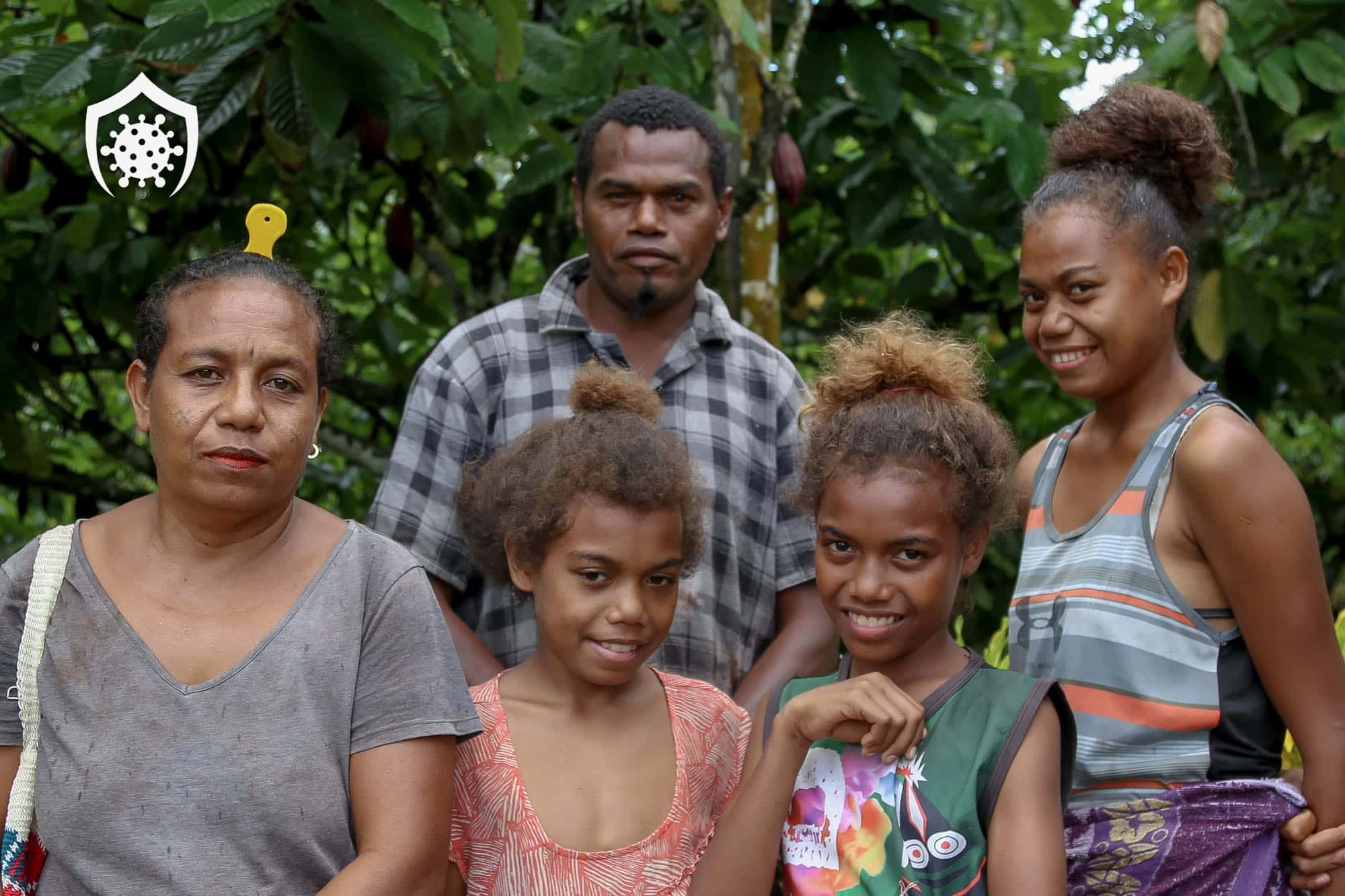
Arnold is a lead cocoa farmer in the small village of Napapar, inland of the Papua New Guinean province of East New Britain. As the pandemic hit PNG, Arnold was more scared of dying of COVID-19 than of his bags of fermented cocoa never making it to market.
““I had no idea about this new disease that people were talking about! When I read that it was caused by a virus and that it was already among us, I thought we were going to drop dead like chickens everywhere,” Arnold confessed.
PNG’s first locally transmitted case of COVID-19 was confirmed in April 2020 in East New Britain, causing panic and chaos among locals. To control the spread of the virus, the province was shut down for about a month. Like most households in his village, Arnold’s family relies mainly on cocoa for income. Arnold’s eldest daughter is in college and most of his savings from cocoa are put aside for her fees. During the lockdown, Arnold was not able to sell any of his fermented cocoa and had to store it instead, which reduced his income. Arnold, his wife and their three daughters had to survive by eating their garden produce.
When the pandemic reached PNG, MDF’s immediate response was to gather market intelligence from its extensive networks in the agriculture sector. MDF saw that accurate information about COVID-19 was not reaching rural people. The majority of PNG’s population live in rural areas and have limited or no access to the latest information or news; many people, including farmers, were not even aware of the lockdown or of the global COVID-19 outbreak.
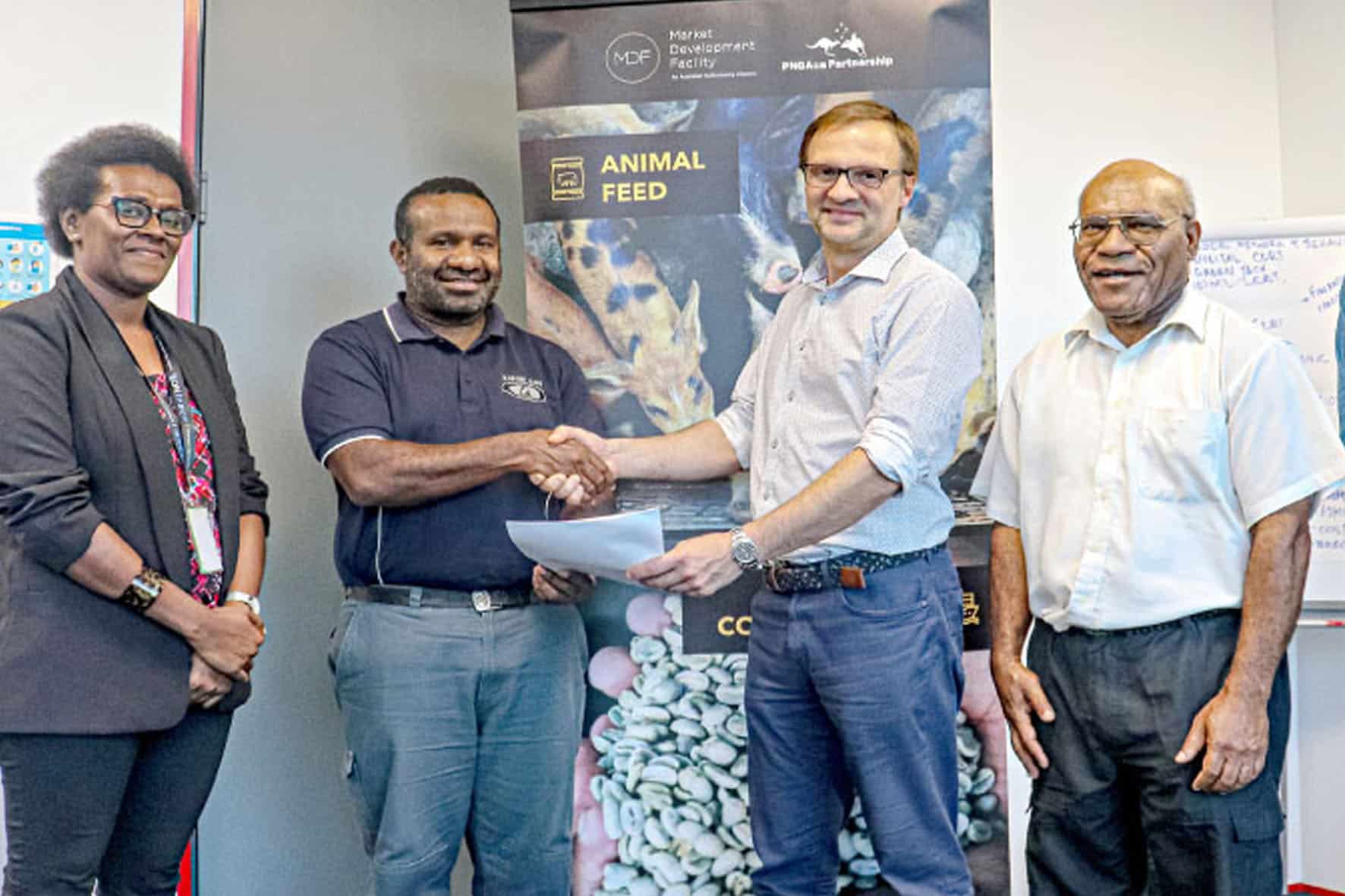
To help farmers like Arnold understand more about the virus and how to protect themselves while continuing to safely farm and sell their produce, MDF PNG partnered with agribusiness Outspan Limited to launch an awareness campaign. The initiative distributed information about COVID-19 across four provinces – Eastern Highlands, East Sepik, Morobe and East New Britain. Cocoa and coffee buyers, smallholder farmers, church leaders and communities were educated about the virus and what precautions they needed to take. MDF and Outspan focused on engaging key market influencers, such as church leaders, village heads and community leaders, to ensure the information would reach the community and be credible to them. MDF also supported Outspan to provide the campaign’s trainers with personal protective equipment and distribute hand sanitiser and soap to households as a way to promote handwashing and other good hygiene practices.