Effective
outreach
Net additional
income
Private Sector
Investment leveraged
Value of additional
market transactions
Climate Change
MDF contributes to farmers’ climate resilience and national dialogue on climate change.
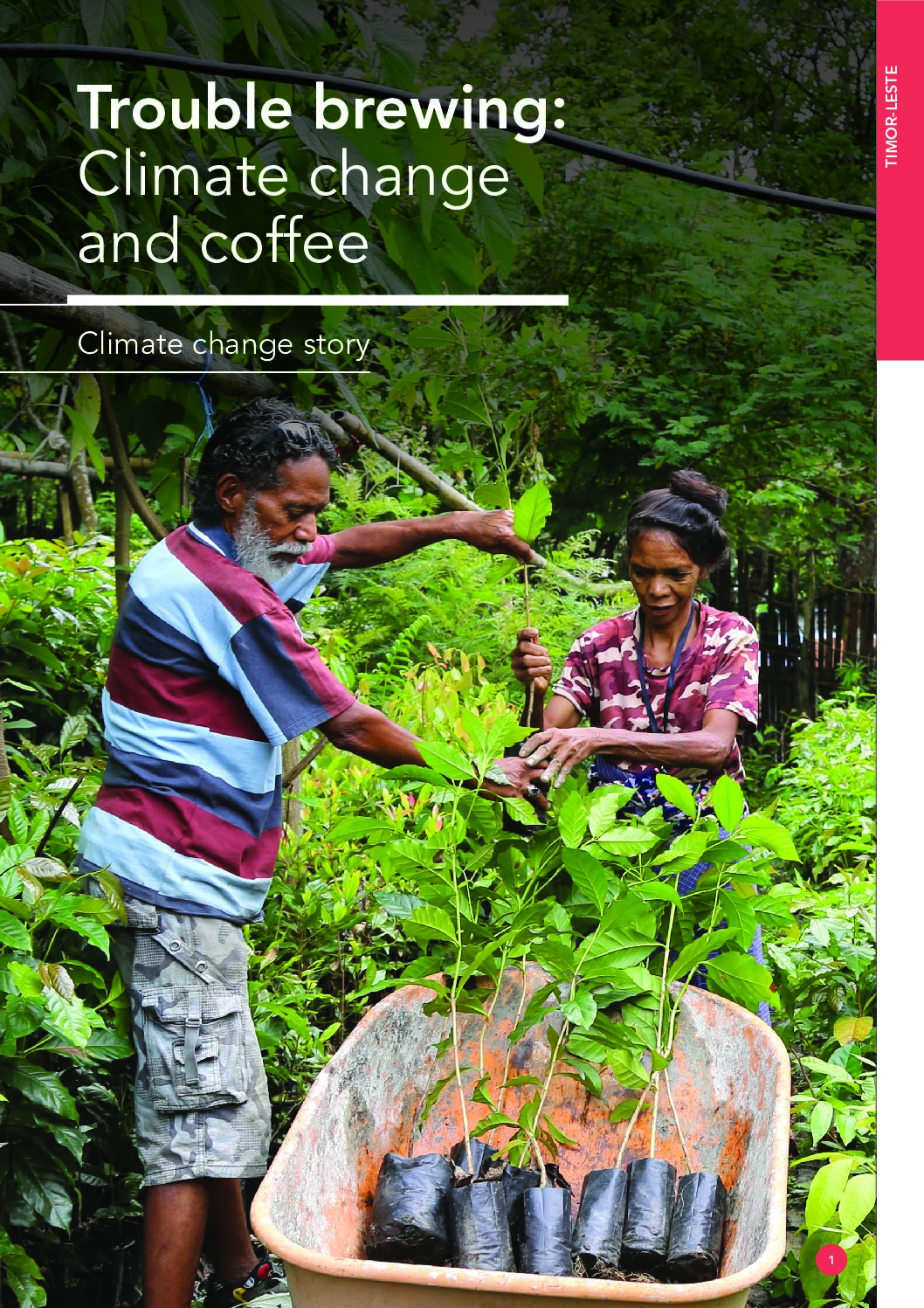
Despite climate-related disruptions, MDF-supported coffee rehabilitation efforts yielded strong productivity gains, with cherry yields increasing from 0.7kg/
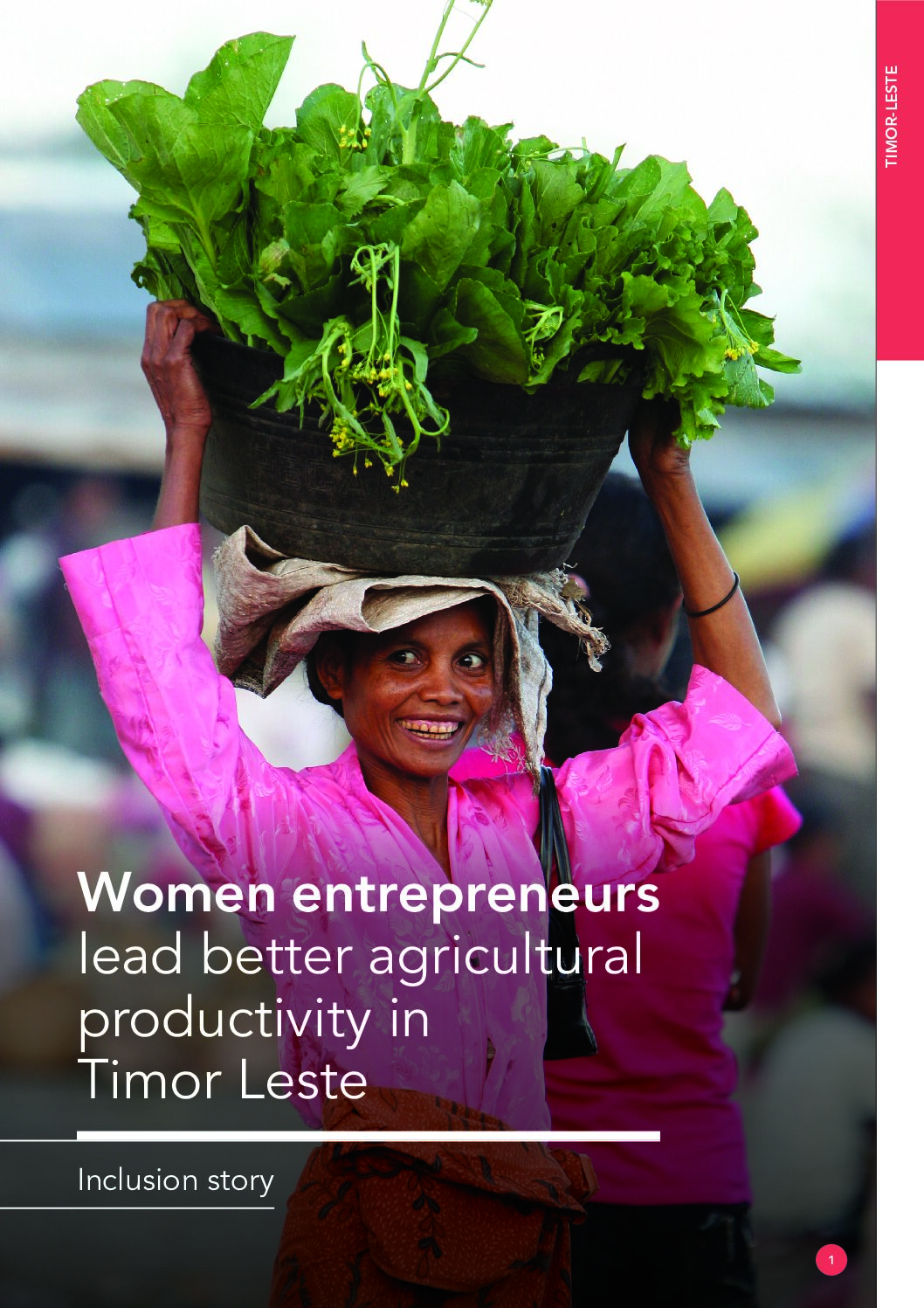
tree pre-rehabilitation to 2.3kg/tree post-rehabilitation. Women benefitted from easier and faster harvesting from rehabilitated trees, safer picking conditions, and the ability to selectively pick ripe cherries. However, results were affected by inclement weather. Heavy rains damaged flowers at the start of the season and then caused delays and drying challenges during processing. These issues highlighted the need for climate adaptation strategies and improved practices.
In 2024, MDF support resulted in 3,565 farmers accessing climate-resilient tools (including agricultural inputs and information), with 3,019 adopting improved climate-resilient practices. Additional business revenue generated through climate-relevant partnerships reached USD973,000 (AUD1,459,500). MDF also contributed to climate policy discussions including at the Fifth National Conference on Climate Change, where MDF delivered two presentations highlighting the impact of climate change on coffee competitiveness and the business case for investing in rooftop solar. MDF developed and started to implement a new disability inclusion strategy in 2024. As part of this strategy, MDF expanded its consultation with organisation supporting disability inclusion and signed partnerships withtwo organisations: Ra’es Hadomi Timor Oan (RHTO) and Ahisaun.
These partnerships aim to identify barriers that future interventions can address in the pigs and tourism market systems. MDF’s work has benefitted 83 people with disabilities.


Climate Change Quick Fact
Timor-Leste contributes just 0.003% to global emissions and aces significant challenges in adapting to climate change. The country is highly vulnerable to natural disasters like droughts, floods, landslides, and soil erosion, with rising temperatures and changing precipitation patterns worsening these impacts.
Inclusion
In 2024, MDF contributed to the Australia-Timor- Leste Development Partnership Plan 2025-2030 (DPP) through its business networks and expertise in key sectors. These sectors included: sustainable and inclusive growth especially in agriculture, tourism and the blue economy; locally led development; effective partnerships through trade; climate change resilience; and economic empowerment for women and people with disabilities. MDF’s strategy aligns with the IX Constitutional Government strategy to boost productive sectors, improve food security and resilience, increase tourism competitiveness and build a blue economy. MDF’s Disability Inclusion Strategy, created in 2024, draws insights from Timor- Leste’s Disability National Action Plan 2021-2030. In addition, MDF’s work on building farmer and value chain resilience supports the National Adaptation Programme of Action (NAPA).