Inclusion
MDF prioritises high-growth markets that provide opportunities for the rural poor, women, people with disability, and indigenous and more remote communities.
193
partnerships addressing women’s economic empowerment in 2025
93
partnerships addressing disability equity
AUD 8.3 million
in additional income earned by women
AUD 41,318
in additional economic benefit generated for people with disabilities
There are 650 million women, men and children living with disability in Asia Pacific
There are 650 million women, men and children living with disability in Asia Pacific
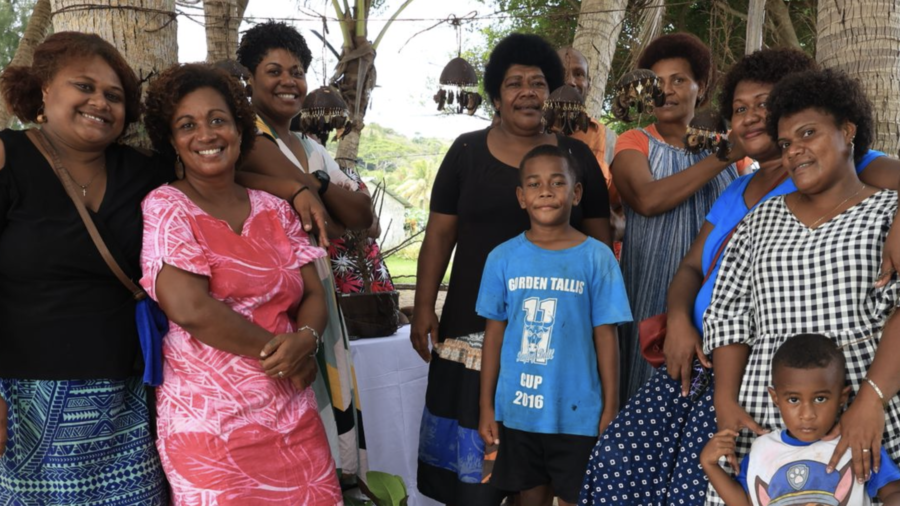
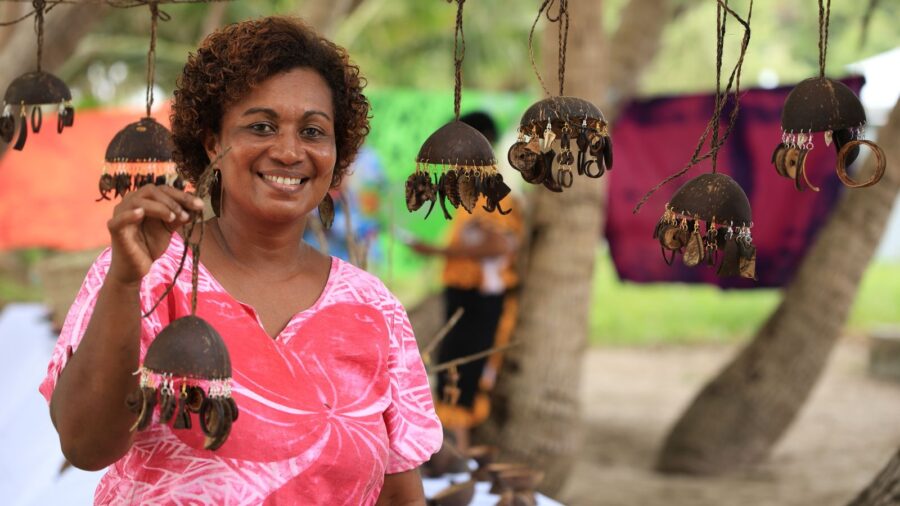
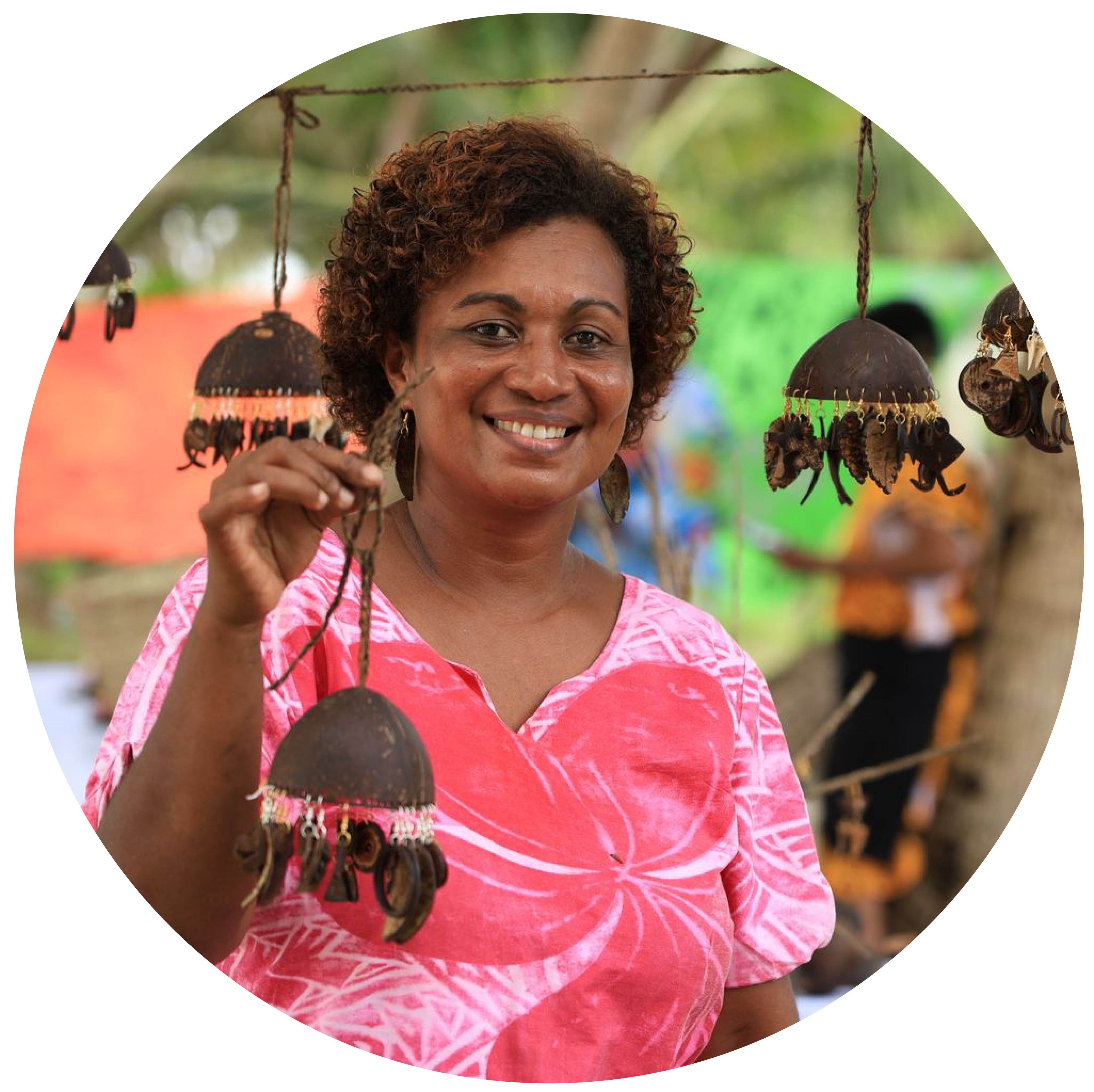
Sera Tagaiya,
Yasawa-i-Rara Women’s Group
Women’s economic empowerment
Women’s economic empowerment (WEE) is integral to sustainable economic development.
Women are vital economic actors as employees, suppliers or consumers. Even with strong participation in key sectors, women’s contributions are often overlooked, leading to products and business models that do not reflect their realities.
MDF mainstreams WEE across all interventions and partnerships. MDF goes beyond “do no harm” and actively identifies and addresses barriers to women’s participation without undermining their roles at home or in the community.
MDF’s work is guided by its WEE framework, which outlines six domains of women’s economic empowerment. Our activities strive to positively influence one or more of these domains.
In Practice
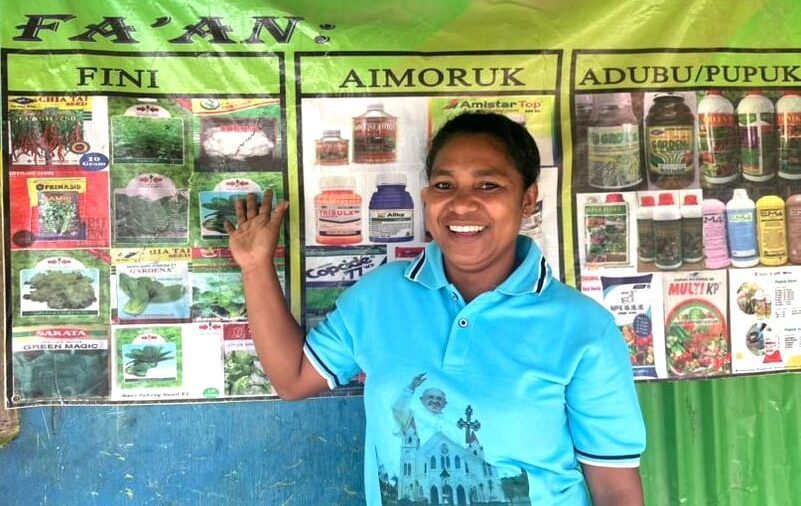
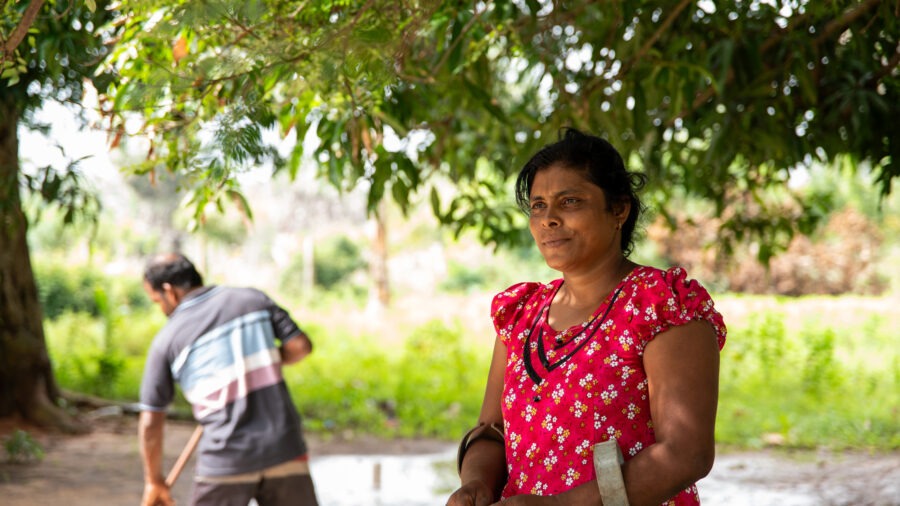
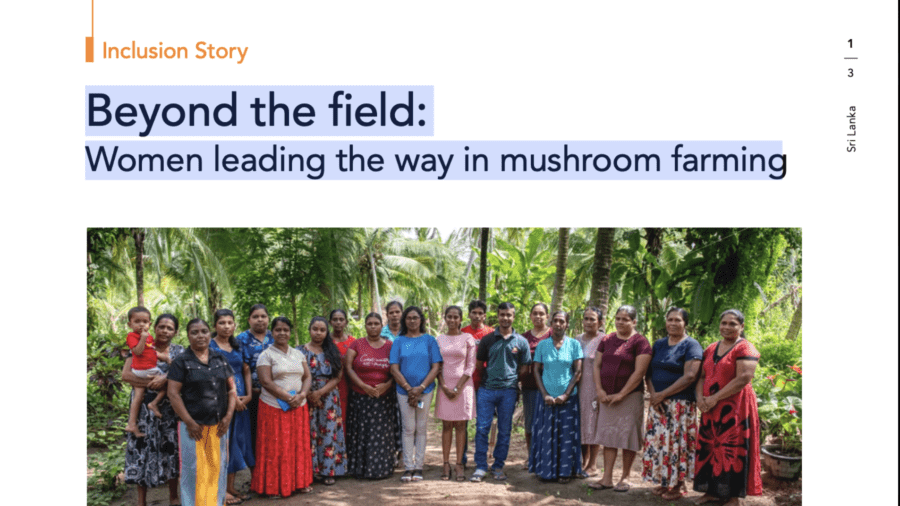
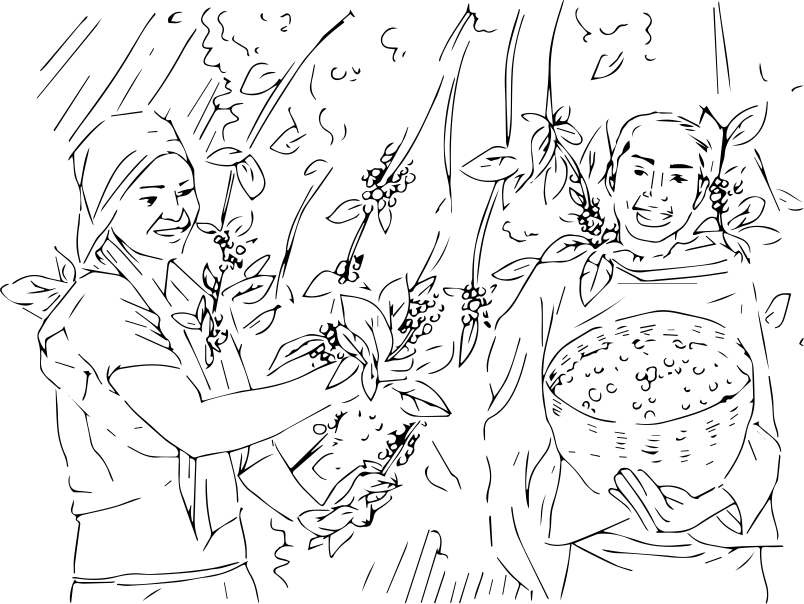
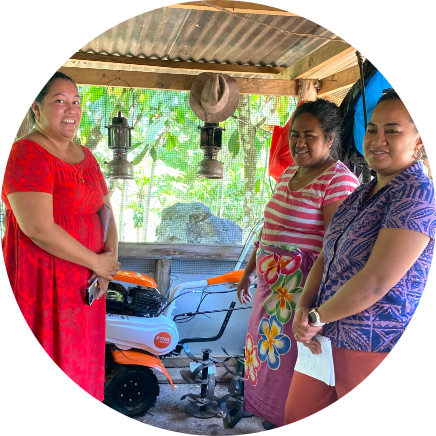
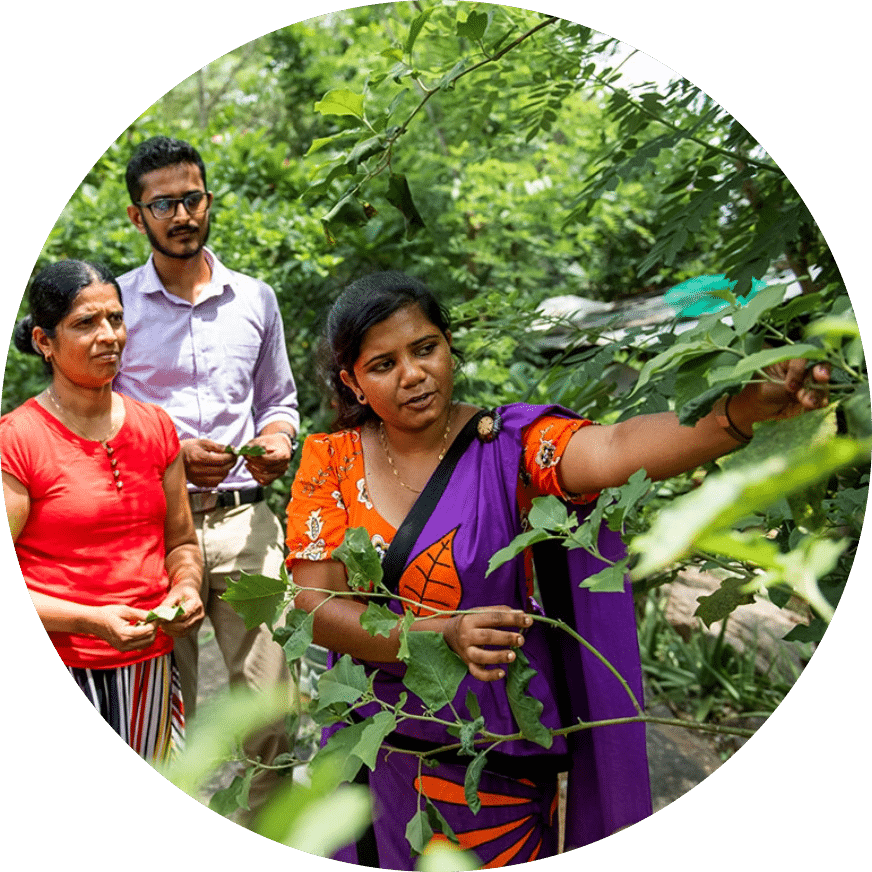
MDF supports business partners to identify commercial opportunities to engage more women or improve the engagement of women as employees, suppliers or customers. MDF strengthens sectors with high employment potential for women (e.g. outsourcing services in Fiji and tourism in Sri Lanka). Business models are developed that provide women with the information and inputs required to increase productivity (e.g. agricultural inputs in Sri Lanka and pigs in Timor-Leste). MDF improves marketing and promotion relevant for women (e.g. agricultural mechanisation in the Pacific region).
Women and climate change
Climate change threatens to undo some of the advances in women’s economic empowerment made in recent decades. Response to climate change can also create economic opportunities as new jobs, services and technologies emerge. These opportunities can be made more relevant for women if barriers to their participation can be overcome. MDF considers how climate change and market responses affect women and how women’s resilience to climate change can be enhanced.
Disability inclusion
Disability inclusion
One in every six people in the Asia-Pacific region lives with a disability
650 million men, women and children
45% of the world’s children with disabilities are in the Asia-Pacific region
One on every six people in the Asia-Pacific region live with a disability
650 million men, women and children
45% of the world’s children with disabilities are in the Asia-Pacific region
MDF is committed to supporting the rights of people with disability and integrates disability inclusion across its work. MDF uses the Washington Group survey questions to help understand the prevalence of disability in a community or across a value chain. MDF supports partners to build business models that promote the fair participation of people with disability, for example by using universal design principles in product development or increasing business engagement with people with disability as employees, suppliers or consumers.

Our Activities in Inclusion