
Climate-Smart Tech Solutions Emerging in Agriculture
Sri Lanka is home to a diverse, long-established agricultural ecosystem that has been fed by a unique water system for centuries. However, this rainfed water system is currently under threat due to changes in seasonal monsoon weather patterns resulting from climate change. Sri Lanka is expected to experience severe shifts in temperature and precipitation, directly threatening water availability. For a nation that relies heavily on traditional methods of seasonal farm management, unpredictable rainfall can often mean lower crop yields, with knock-on effects on farmers and food availability.
Adopting climate-smart agritech solutions can help farmers adjust their farming methods and use only the necessary inputs and water, saving scarce resources and preserving soil health. This change enables farmers to manage inconsistent rainfall and other impacts of climate change better. Agritech sensors can provide accurate information on a range of parameters, including soil health, humidity, temperature and water availability, enabling farmers to optimise the use of inputs such as water and fertiliser and reduce the uncertainty associated with climate change.
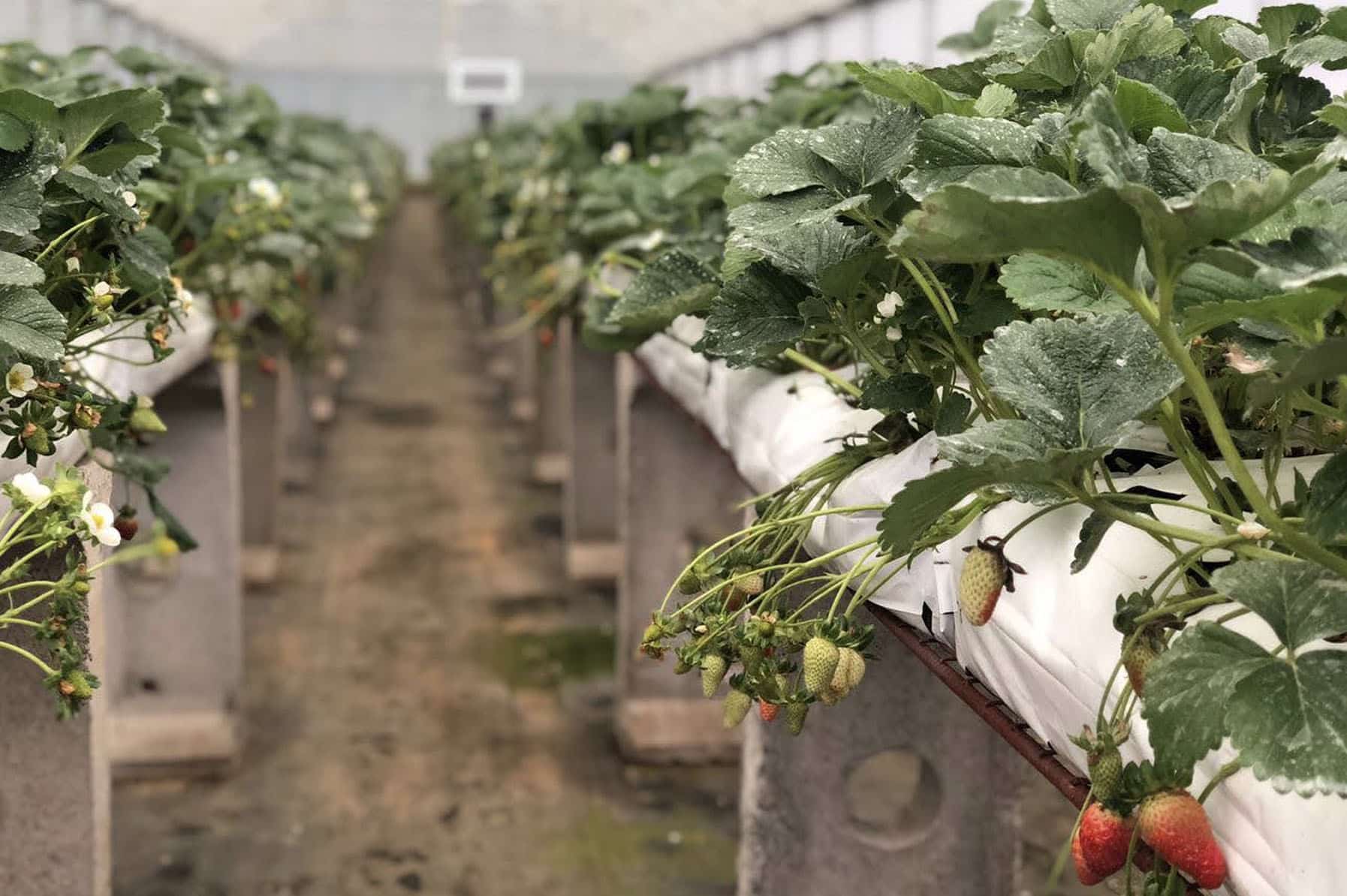
The global agriculture sector is increasingly turning to agritech solutions to increase productivity and adapt to the impacts of climate change. While Sri Lanka’s turbulent economic environment has limited the adoption of such solutions, pockets of innovation are emerging among leading agribusinesses. These businesses have invested in (technologically) simple solutions such as drip irrigation and polytunnels that better use scarce water resources and ensure ideal climactic conditions for growing crops despite the impacts of climate change. Clear demonstrations of the uses and benefits of these agritech solutions have seen renewed interest in more advanced solutions such as Internet of Things (IoT) sensors.