Resilience In the face of a Pandemic
Resilience has been the guiding theme for Sri Lanka’s tourism industry for the past two years. Just as the industry was starting to bounce back from the Easter Sunday attacks of 2019, COVID-19 brought global travel and tourism to a standstill in 2020. However, the sector’s unwavering commitment to building resilience and tackling the challenges brought on by the pandemic is keeping businesses afloat and ensuring the industry’s survival.
MDF has long recognised the need for coordination among tourism’s private sector actors to overcome industry-wide problems. Between 2015 and 2020, MDF built relationships and advocated for improved collaboration. MDF’s understanding of, and close connections with, the private sector helped MDF react quickly when the COVID-19 crisis struck.
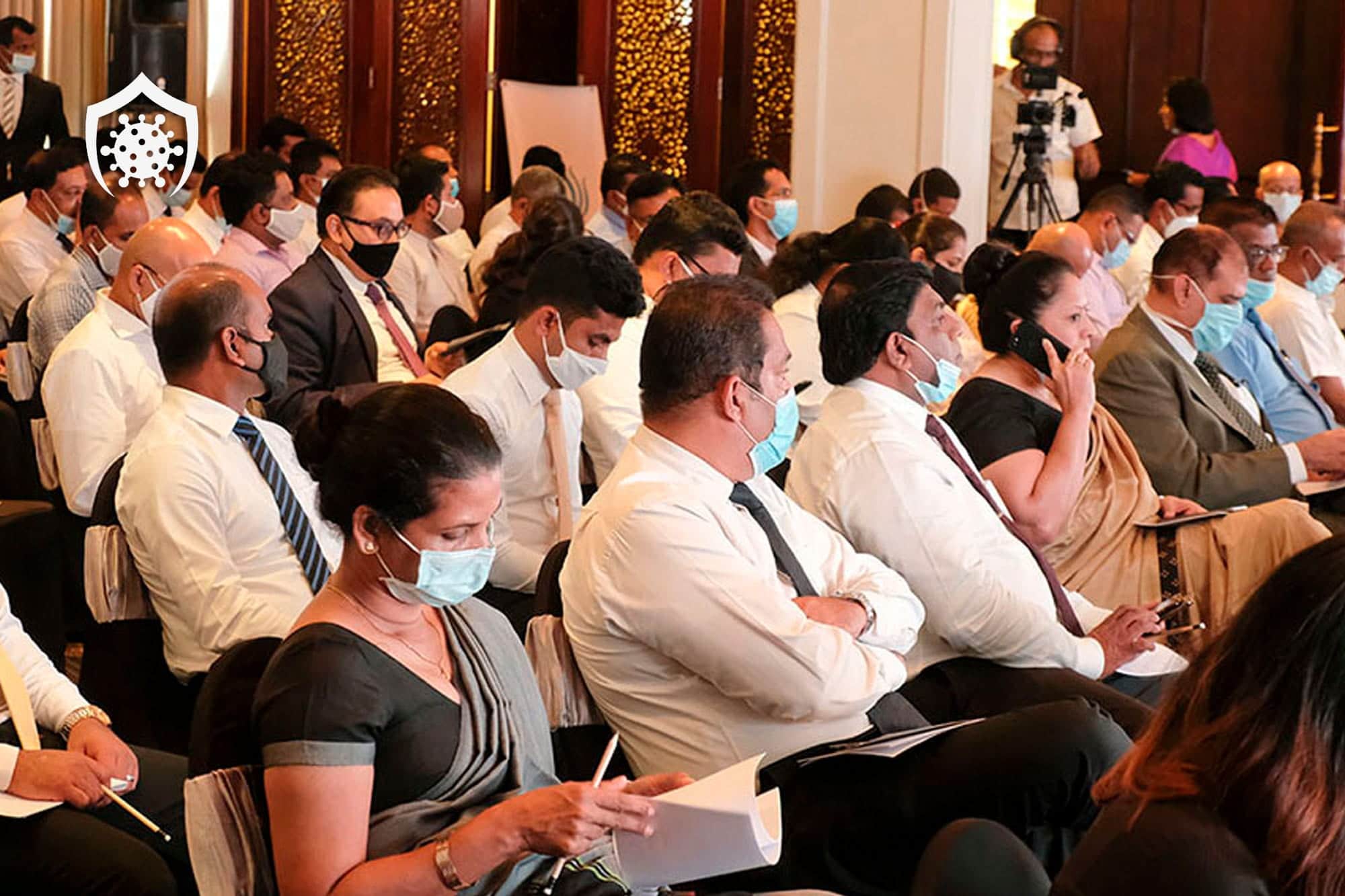
As an immediate response, MDF partnered with The Hotels Association of Sri Lanka (THASL) on an island-wide campaign to raise awareness among tourist accommodation providers about the Sri Lanka Tourism Development Authority (SLTDA) ‘Sri Lanka Tourism Operational Guidelines with Health Protocols,’ the blueprint for the sector to prepare itself for a safe reopening.
Harini De Costa, Personal Assistant to the General Manager of the Grand Hotel in Nuwara Eliya, says the hotel responded quickly when COVID-19 hit the country. She said
“The General Manager called a panel discussion with staff members to discuss how we were going to respond. Social distancing and other health and safety mechanisms were implemented immediately, as per advice from the local Public Health Inspector (PHI).”
Some hotels experienced more adverse consequences than others. Kasun De Silva, Assistant Resort Manager of Anantaya Resort and Spa in Chilaw, says the hotel closed down soon after the onset of the pandemic. The resort was careful to adhere to the quarantine process guidelines suggested by the local PHI strictly and promptly. However, despite its best efforts and proactive measures, the hotel was stigmatised by the surrounding community because the virus was regarded as ‘foreign’ and tourism businesses were seen as contaminated.
“We used to do a lot of Corporate Social Responsibility projects for the village, but we had to stop,” said Kasun.
Both hotels participated in the THASL-MDF awareness workshops in their respective regions. The sessions aimed to help accommodation providers understand the importance and procedures of health and safety measures, enabling them to better prepare for and obtain SLTDA’s ‘Safe and Secure’ COVID-19 safety standard certification. Properties are required to have this certification to receive international visitors when borders reopen. Harini says the workshop acted as a welcome stepping stone for the hotel’s recovery in this crucial and trying period.
“The workshop was an eye opener. Before the workshop, we were not aware of the visa process for foreigners or foreign reservations. We got vital clarifications directly from Dr. Prasad Jayasuriya [SLTDA’s Director Tourism Planning and Development],” says Harini. “It was on that evening that we did the application for the Safe and Secure certification.”