
Systemic Change in the Sri Lankan Crab Sector
How Multiple Actors and Factors Have Contributed to a More Competitive and Inclusive Crab Sector
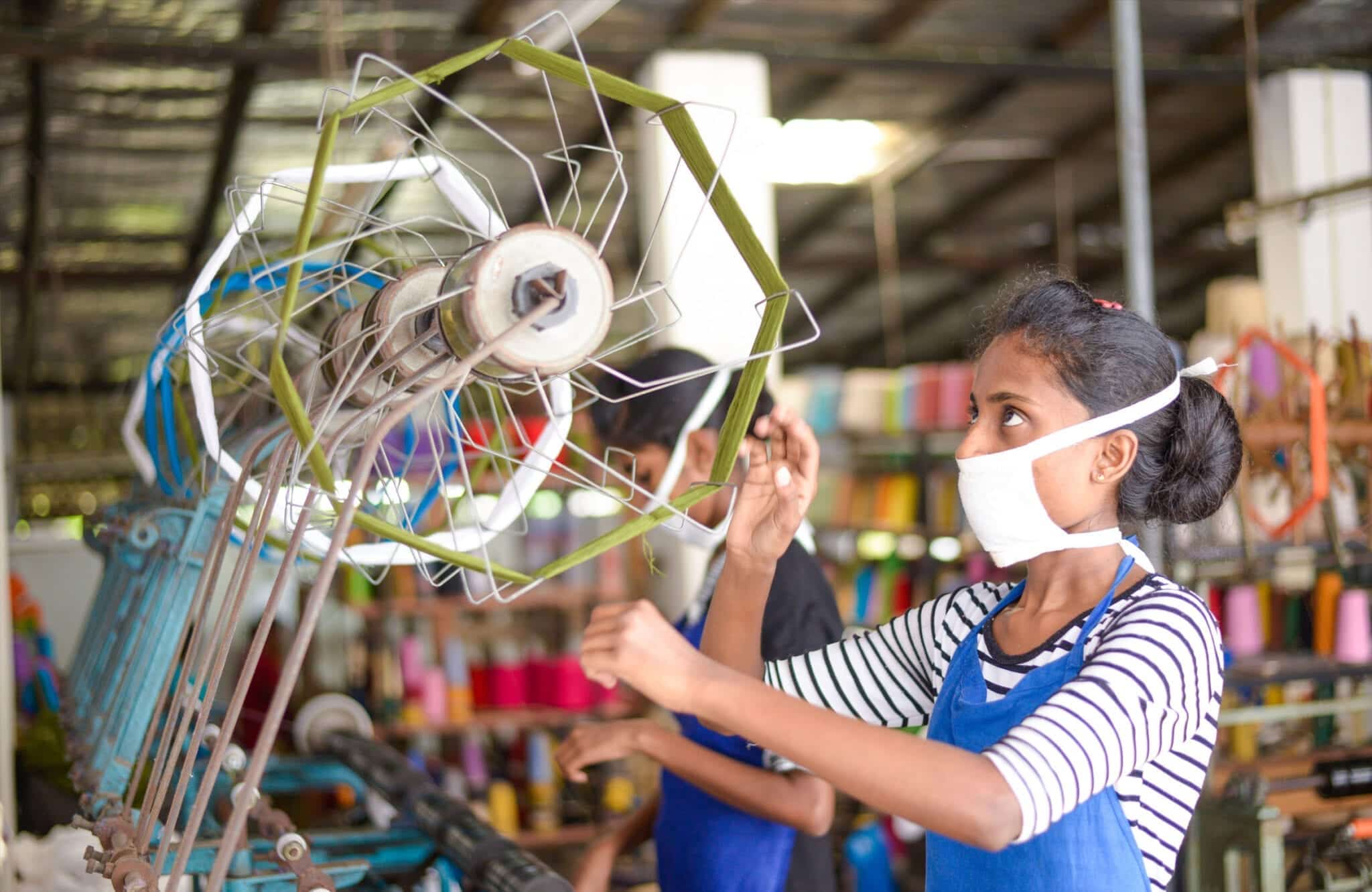
The following case study tells the story of how the Blue Swimming Crab (BSC) market in Northern Sri Lanka evolved from an uncompetitive sector with limited value addition and buyer-controlled pricing to a more competitive, value-adding, sellers’ market. What began as an effort to stimulate employment in the conflict-affected North ended with a more dynamic market structure, resulting in the entire population of Northern Sri Lankan crab fishers accessing higher market prices. An increased number of Northern-based processing export companies with the ability to purchase greater crab quantities more consistently have sustained price hikes introduced by existing businesses to increase barriers to entry. Women have benefited from increased employment opportunities in crab processing facilities, as well as from the market price changes as female members of fishing households. The application of good market systems development (MSD) principles and practices, such as multiple partnerships and consistent monitoring, contributed to industry evolution. This fundamental shift in market dynamics was supported by a range of Australian-funded programs over the past 15 years that contributed in different ways to a more competitive, inclusive and resilient BSC market.
The Australian Government has been a key partner in Sri Lanka’s post-conflict rehabilitation and development. After 15 years of recovery and livelihood programming through its Australian Community Rehabilitation Programs (ACRP), the Department of Foreign Affairs and Trade (DFAT) has evolved to an economic partnership approach. The 2015-2019 Aid Investment Plan highlights the continued challenge of ensuring that Sri Lanka’s strong economic growth translates into meaningful development improvements throughout the country, particularly for areas that were affected by the 30-year conflict.
To operationalise the aid investment strategy, DFAT Sri Lanka manages multiple programs through its Economic Opportunities for the Poor (EOP) portfolio, which contributes to the first objective of the Aid Investment Plan of stimulating inclusive, private sector-led economic growth and poverty reduction. The EOP portfolio includes three complementary programs: Market Development Facility (MDF); the International Labour Organisation’s Local Empowerment through Economic Development (ILOLEED); and a Skills for Inclusive Growth program. Since 2015, MDF has worked with businesses, industry associations and governments to stimulate innovations that benefit large numbers of Sri Lankan workers, farmers and fishers with either new employment or higher incomes. ILOLEED is the second phase of an earlier program that worked with cooperatives in the Northern Province to build their capacities to participate in export value chains, including fisheries and agriculture.
Both MDF and ILO-LEED have built on the results achieved during earlier ARCP phases in the fisheries sector, complementing each other’s approaches and outreach.
As DFAT has been supporting the fisheries sector in the conflict-affected Northern Province for close to a decade through its various programs and investments, it was found to be an opportune time to document the story thus far. This paper shares the process and progress to date of how DFAT, MDF and others have contributed to a more competitive and inclusive fisheries sector.