Timor-Leste’s transition towards high-value coffee
Background
The coffee industry is a central part of Timor-Leste’s economy, society and history. Coffee is the most important agricultural cash crop and top non-oil export in Timor-Leste, providing income for almost 20 per cent of all households. It also provides business opportunities for processors, traders and retail coffee shop owners.
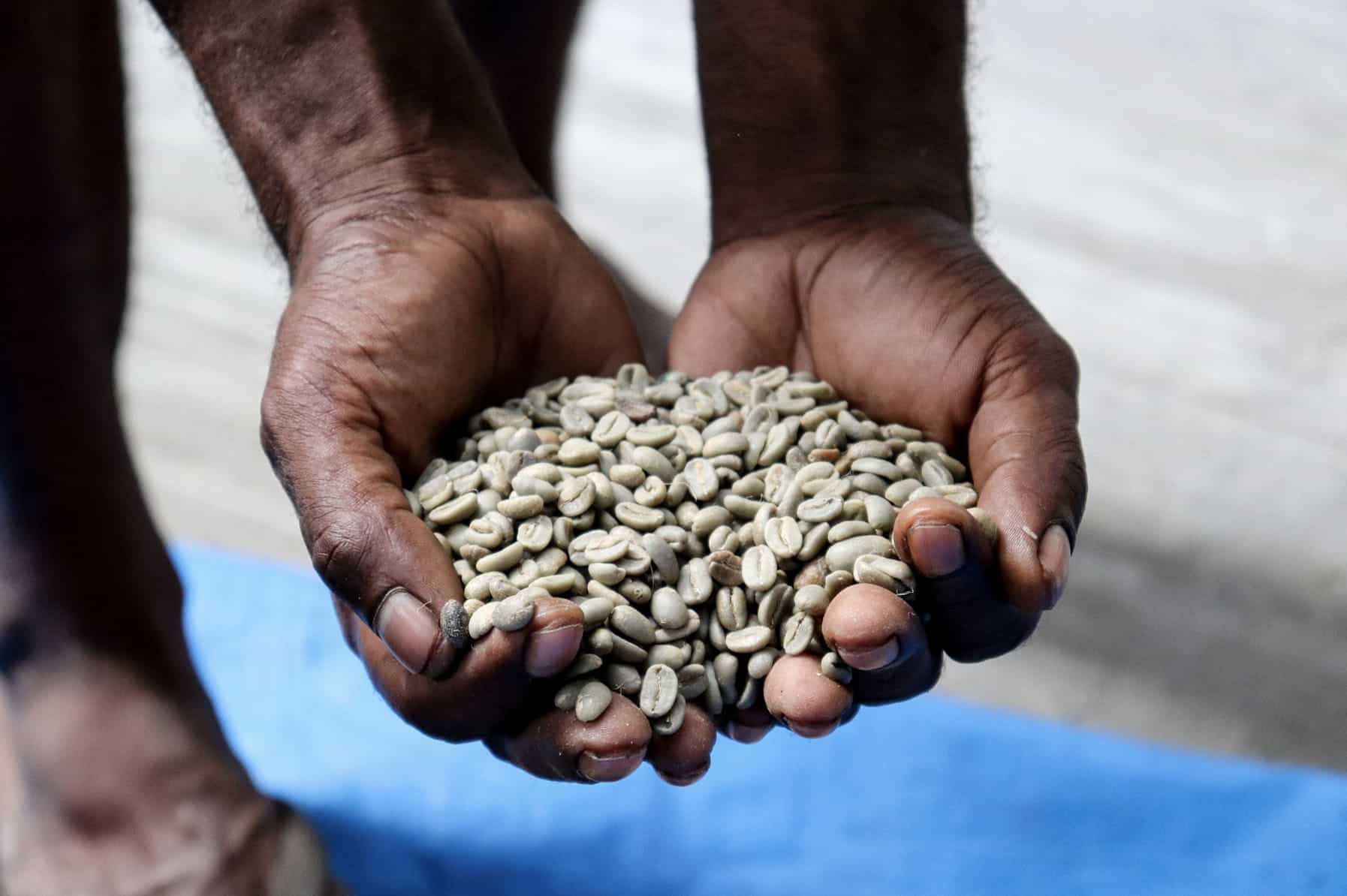
However, the sector is currently operating far below its potential. Yields are among the lowest in the world and may decrease further because of climate change. Timor- Leste coffee has excellent quality potential, but poor processing practices mean that most Timorese coffee is sold as commodity-grade at low prices. Low yields, inconsistent quality and missed opportunities for value-adding all contribute to the relatively high incidence of poverty among coffee-producing households. Investments in the coffee sector could have a transformative impact on reducing poverty among these households.
In 2015, MDF and industry partners identified the potential benefits of Timor-Leste transitioning to higher productivity and specialty-grade coffee. Since then, MDF and firms have co-invested in better quality management practices and tools such as selective picking, processing centres and cupping laboratories. Dynamic new exporters have emerged that specialise in high-grade specialty coffee, and Timor-Leste is growing its presence in promising specialty markets such as Europe and Australia