
Using Networks And Agile Management To Overcome Pandemic Restrictions
Like businesses everywhere, MDF partners in Timor-Leste had to cope with a diverse range of setbacks in 2020. The COVID-19 pandemic resulted in many challenges, but import and transportation restrictions were particularly difficult for the agricultural sector, most notably for coffee exports and agri-input imports.
In 2020, MDF Timor-Leste worked with partners to adjust expectations, timelines, contracts and payment terms. In addition to adapting existing interventions, MDF implemented several new initiatives to help Timorese businesses and the government adjust to the changing business environment.
In the coffee industry, the pandemic caused fluctuations in global pricing and demand patterns. Travel restrictions affected the availability of key technical and managerial personnel, coffee company operations employees, farmers and farm workers within Timor-Leste.
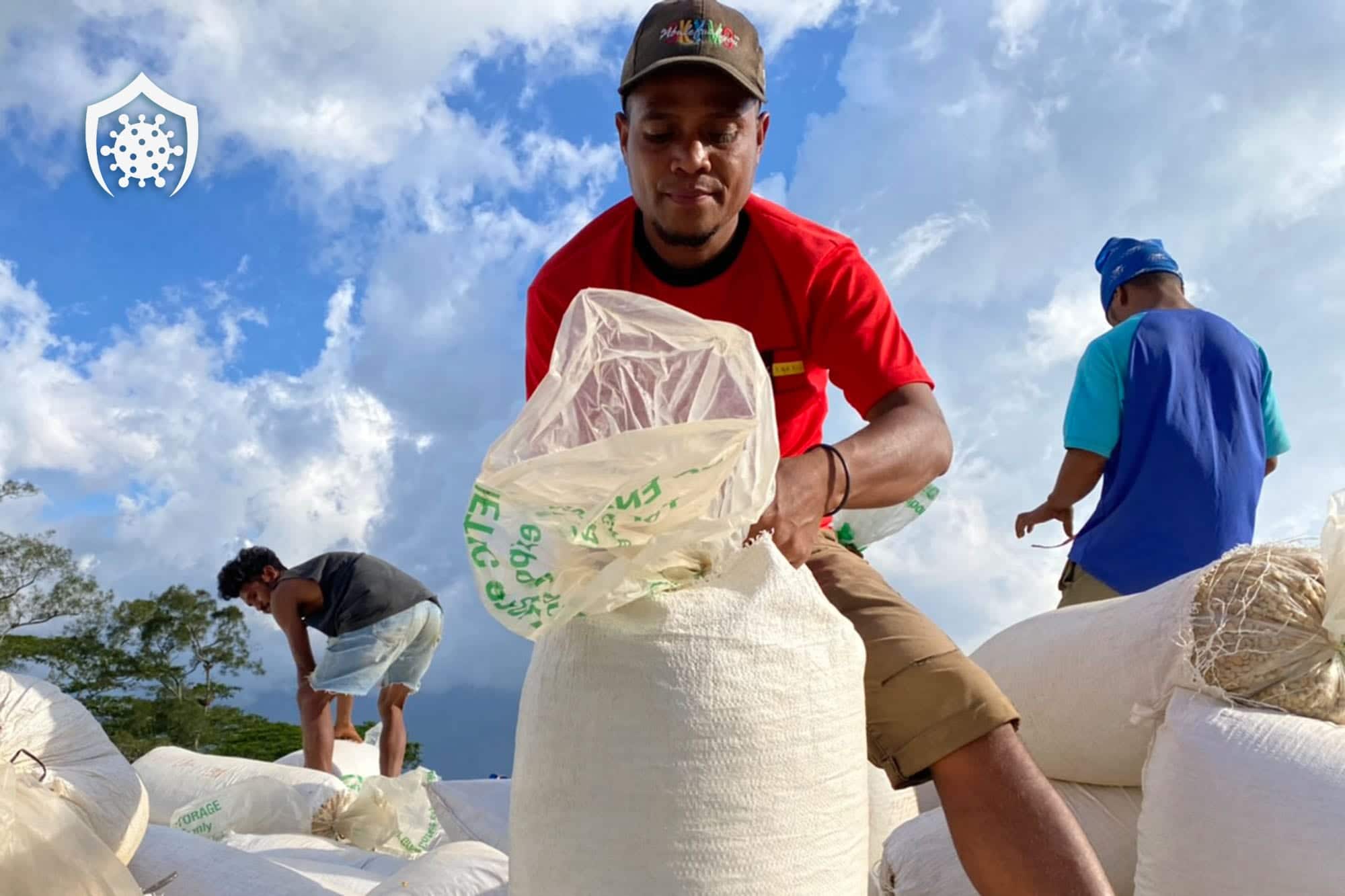
MDF worked with the government, the national coffee association and individual firms to determine and implement the most effective short- and long-term responses to the business crisis. One simple but impactful form of support facilitated the travel of coffee companies’ key personnel to Timor-Leste to arrange the purchase of coffee as part of the 2020 harvest. Without this, thousands of poor Timorese farmers might not have been able to sell their crop or have been forced to accept lower prices.
The pandemic has affected demand for coffee, and therefore exports from Timor-Leste. In the absence of the usual sale opportunities, MDF arranged an information session on alternative stockpiling solutions with a storage and transport firm. MDF also supported one business to install ‘cocoons’ for coffee collection, which enabled it to continue buying from farmers (and storing) despite a short-term drop in demand. In response to declining commodity-grade coffee prices, MDF also supported two coffee companies to shift their operations to incorporate more specialty-grade coffee processing. Moving the market toward specialty coffee can offer long-term benefits in Timor-Leste’s post-pandemic economic recovery because farmers and coffee companies receive higher prices for higher coffee quality.
Disruptions to international supply chains have been an ongoing challenge during the pandemic and are especially problematic for a country like Timor-Leste, which is highly reliant on imports. Businesses have faced obstacles with both land and sea transportation of goods. For example, several agri-input retailers scaled back operations because they could not get stocks from Indonesia, and customers were reluctant to travel from municipalities.
MDF worked with several organisations to facilitate the import of goods from Indonesia through the land border. MDF also worked with the Ministry of Agriculture and Fisheries on a process whereby businesses could obtain documentation to transport agricultural goods within Timor-Leste.