
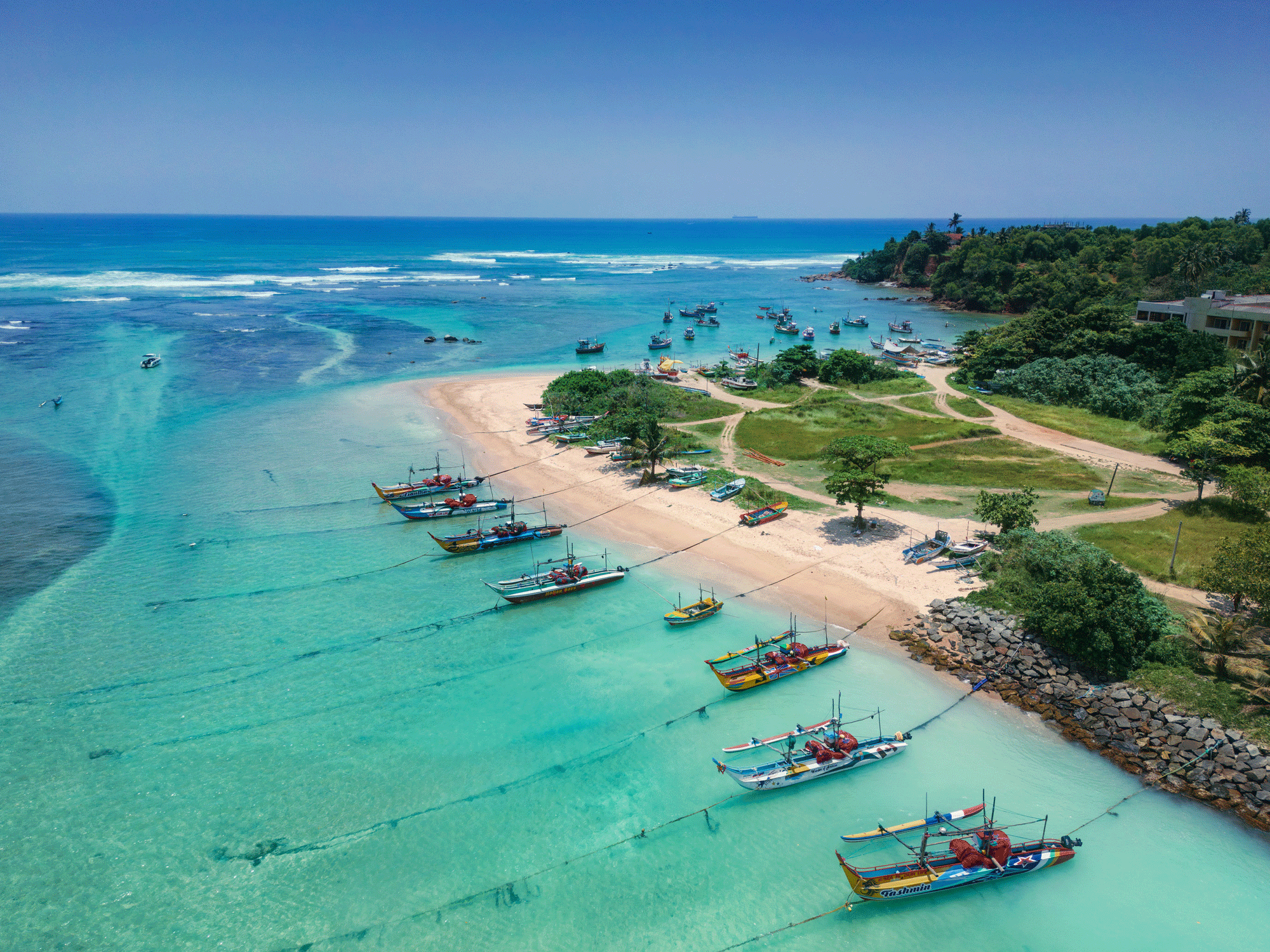
From Volume to Value
Tourism in Sri Lanka generates USD3.2 billion (AUD4.5 billion) annually and employs nearly 490,000 people across hotels, restaurants, travel agencies, airlines and public tourism services. A further 225,000 people benefit indirectly through agriculture, transport, handicrafts and other related sectors. In total, over 3 million Sri Lankans depend on tourism-related income, particularly in rural and coastal regions.
Staying competitive in a shifting market
Sri Lanka’s post-pandemic recovery masks a structural concern. Data from the National Airport Exit Survey, conducted by the Sri Lanka Tourism Development Authority (SLTDA) with MDF support, shows that while arrivals have increased, average daily expenditure has declined. Competing on volume and price compresses margins and wages, discourages reinvestment and gradually erodes destination quality.
Tourism in Sri Lanka has long centred on beaches, culture and wildlife. While still attractive, this conventional model has not kept pace with evolving demand. Globally, tourists are seeking more responsible and authentic tourism, which leaves less of a carbon footprint, that protects nature and involves communities. More than 70 per cent of tourists want to visit sustainable destinations and 60 per cent are willing to pay more for eco-friendly stays. Many of Sri Lanka’s visitors come from EU and UK markets, where climate awareness and sustainability scrutiny are intensifying.