Driving a low‑emission transformation in fertiliser
Sri Lanka’s farmers are on the frontline of climate change. Rising temperatures, erratic rainfall and prolonged droughts are disrupting farming calendars, degrading soils and reducing yields. These impacts are most severe for the country’s 1.65 million smallholder farmers, who produce nearly 80 per cent of the nation’s food.
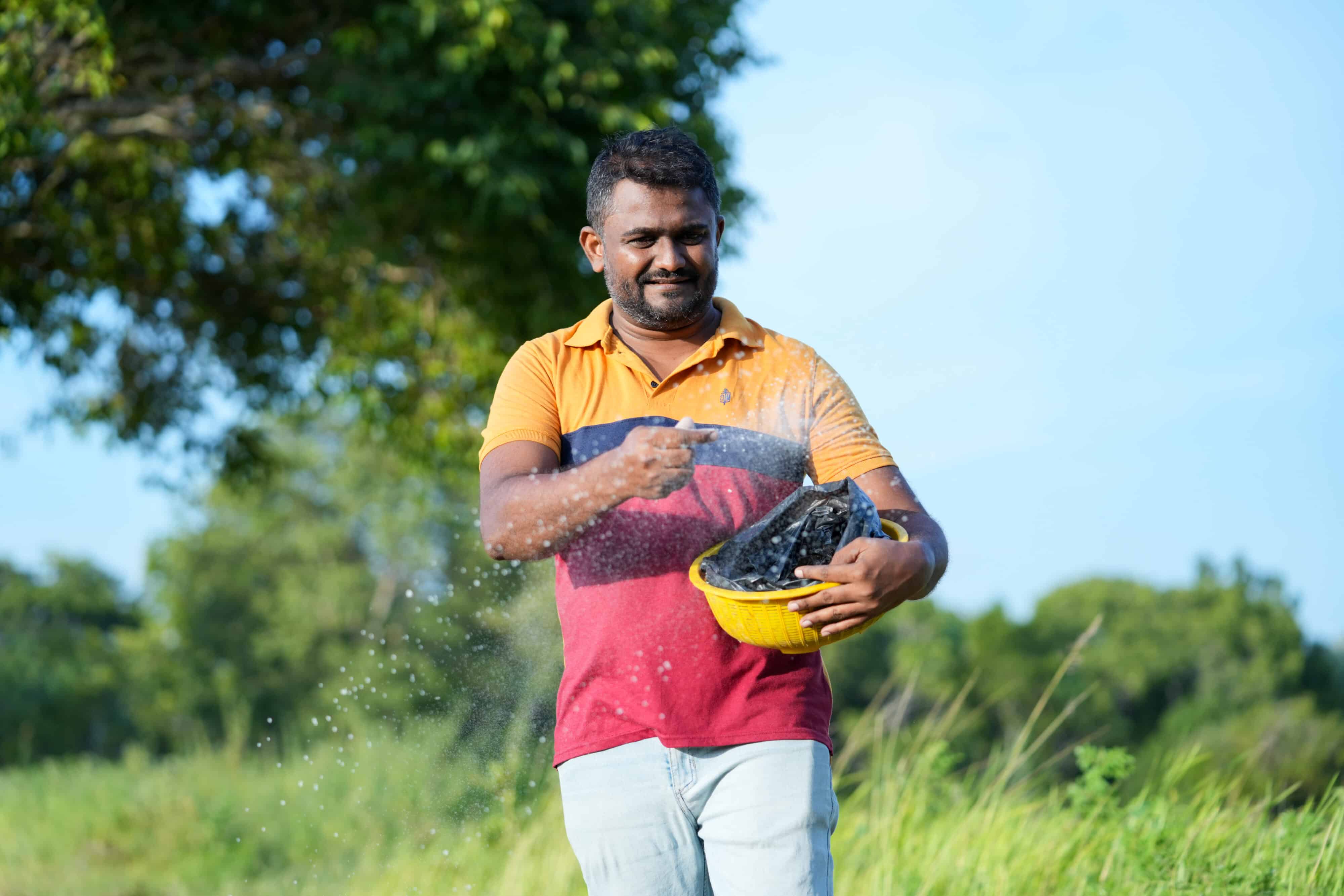
At the same time, agriculture contributes to greenhouse gas emissions, including nitrous oxide from inefficient fertiliser use. This creates a reinforcing cycle where vulnerable farming systems also contribute to climate change. Breaking this cycle is essential to strengthen resilience, sustain productivity and support climate-smart agriculture.